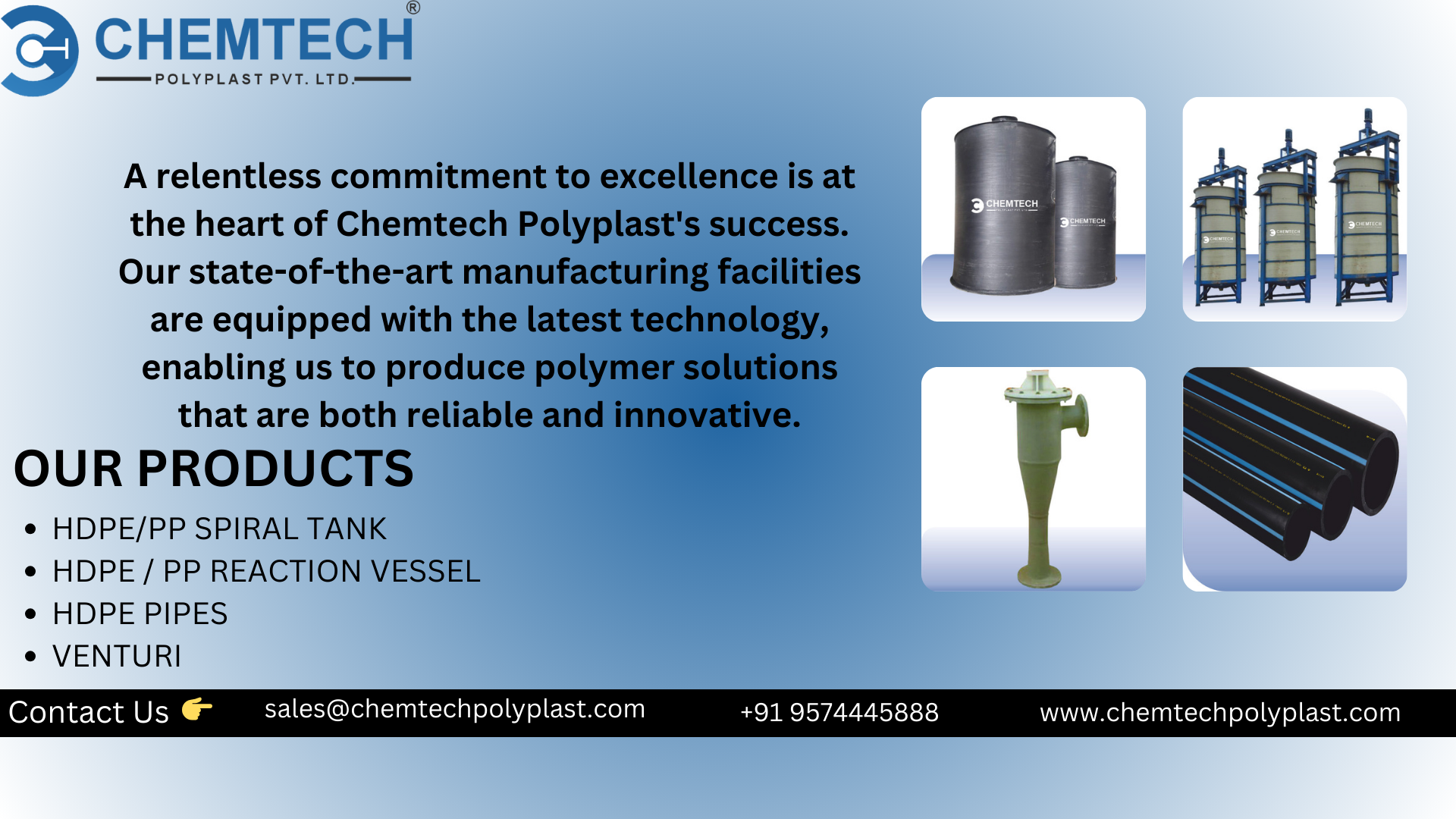
Introduction — HDPE Water Pipe Manufacturer in Gujarat
Get reliable, IS:4984-compliant HDPE water pipes engineered for long service life, leak-free joints, and safe potable water flow. Manufactured in Gujarat with PE63/PE80/PE100 grades and SDR options for varied pressures, these pipes are ideal for drinking water supply, irrigation networks, industrial utilities, and urban infrastructure. Smooth bore, exceptional impact strength, and resistance to corrosion and scaling ensure low head-loss and reduced maintenance across diverse Indian conditions.
Product Overview and Standards
High-Density Polyethylene (HDPE) pipes are produced using certified raw materials and follow strict process controls to meet IS:4984 for water supply. Pipes are available in coils and straight lengths with butt-fusion or electro-fusion compatibility and can be supplied with traceability marks (grade, SDR, size, batch). UV-stabilized options and color striping assist quick on-site identification, while robust QC checks ensure consistent wall thickness and hydrostatic performance.
Applications — HDPE Water Pipes
- Potable water transmission and rural/urban distribution.
- Sprinkler and drip irrigation mains/sub-mains.
- Underground fire hydrant and utility water lines.
- Industrial cooling water, effluent & reuse networks.
- House service connections and overhead tank risers.
Industries & Segments Served
- Municipal water supply and Jal Jeevan-type schemes.
- Agriculture, horticulture, and micro-irrigation projects.
- Industrial estates, process plants, and utilities.
- Real estate townships, smart-city infrastructure.
- Institutional campuses and industrial parks.
Why Choose HDPE Pipes in Gujarat
- Corrosion-free performance in saline, aggressive soils common to coastal belts.
- Flexible, light-weight coils minimize joints and speed up rural pipeline rollout.
- Low friction coefficient delivers higher flow rates and energy efficiency.
- Excellent seismic and impact tolerance compared to brittle alternatives.
- Fusion-weldable joints create leak-tight, monolithic pipelines.
Key Features — HDPE Water Pipes
- Grades: PE63 / PE80 / PE100, sizes from service lines to trunk mains.
- SDR range for multiple pressure classes; coil and straight length supply.
- Butt-fusion and electro-fusion jointing compatibility; fittings available.
- Smooth inner surface, low Hazen–Williams C degradation over time.
- UV-stabilized options; color stripes for quick identification on site.
Trusted HDPE Water Pipe Manufacturer in Gujarat
As a Gujarat-based producer, we focus on application engineering—matching grade, SDR, and diameter to your pressure, terrain, and installation method. From village water grids and cross-country mains to farm irrigation and industrial utilities, our team supports design inputs, fusion welding guidance, and rapid dispatch. Expect consistent quality, documented traceability, and pan-India delivery support for on-time execution.
Handling, Storage & Installation Tips
- Unload with slings; avoid sharp edges and point loads on pipe coils.
- Store on flat, debris-free ground; protect from direct flame or hot metal.
- Use calibrated fusion machines; verify end prep, alignment, and soak times.
- Maintain recommended bend radius; never force tight bends at joints.
- Pressure-test section-wise; record parameters and rectify before backfill.
FAQs — HDPE Water Pipes
1. Which HDPE grade should I choose for potable water?
+
PE80 and PE100 are commonly selected for potable water due to higher strength and better pressure rating at thinner walls. Final selection depends on pressure class, SDR, and lifecycle cost.
2. What jointing method is preferred—butt fusion or electro-fusion?
+
Butt fusion is widely used for mains and is cost-effective for straight runs. Electro-fusion is ideal for repairs, confined spaces, or fittings-heavy areas. Both produce leak-tight, monolithic joints when done correctly.
3. Can HDPE pipes be used with existing GI/DI networks?
+
Yes. Use compatible transition fittings and flanged connections to interface HDPE segments with metal pipelines, valves, and hydrants while preserving joint integrity.
4. How do I determine SDR and pressure class?
+
Consider static head, pump pressure, surge allowances, temperature, and soil load. Our team recommends SDR and grade after reviewing your hydraulic profile and installation constraints.
5. Do you provide testing and documentation support?
+
Yes. We offer hydrostatic test guidance, basic method statements, and batch-wise documentation with marking details for compliance and handover.